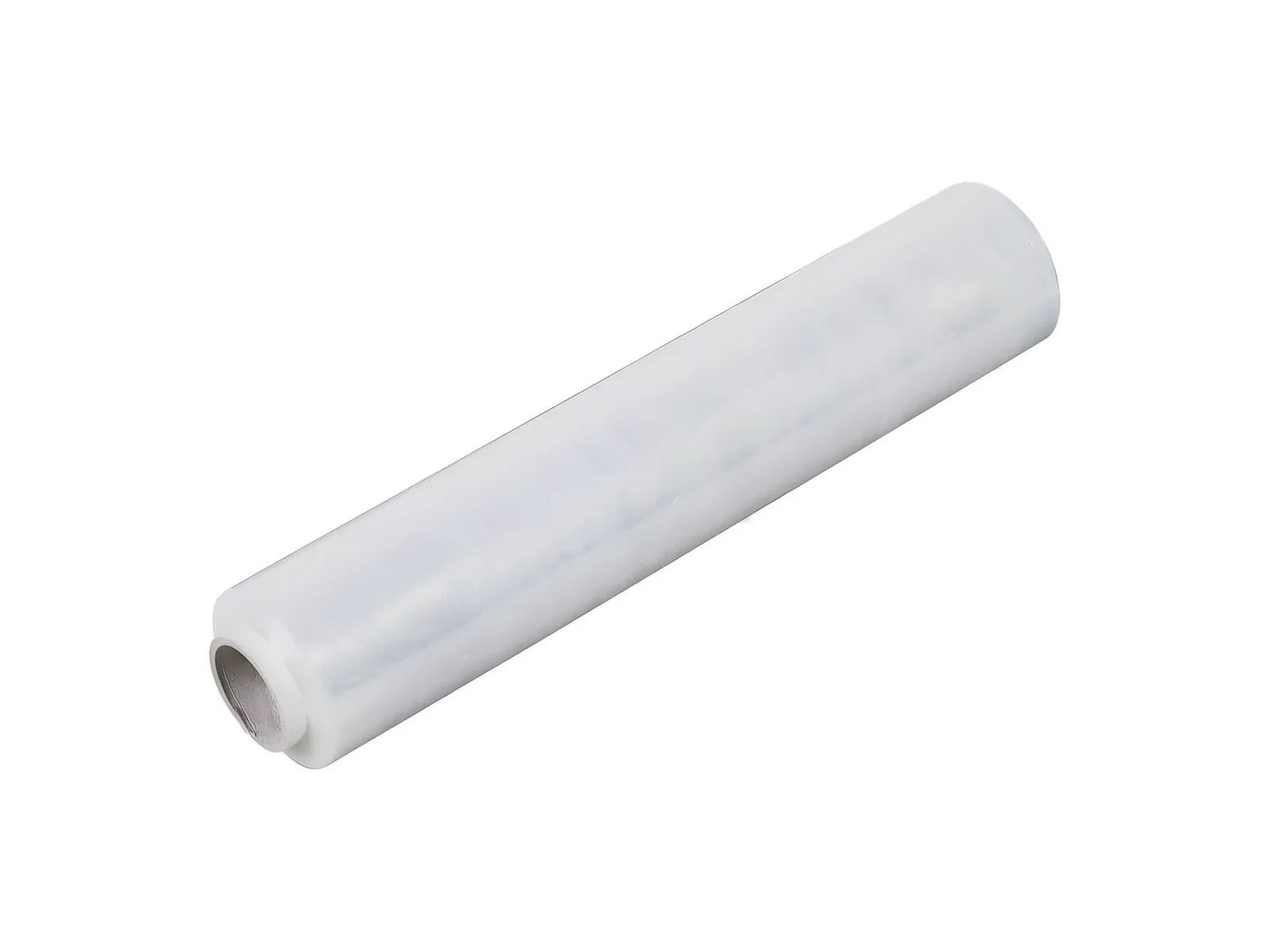
Buying guide
Choosing your stretch film
Five questions, a clear comparison, and the checkpoints professional buyers ask us. If anything is unclear, describe your pallets: we propose a grade.
17–23 µmCommon gauges for hand wrap
17–35 µmMachine range by pallet weight
150–300 %Wrapper pre-stretch rates
450 / 500 mmStandard widths, 50 or 76 mm core
Compare
Hand, machine or pre-stretched
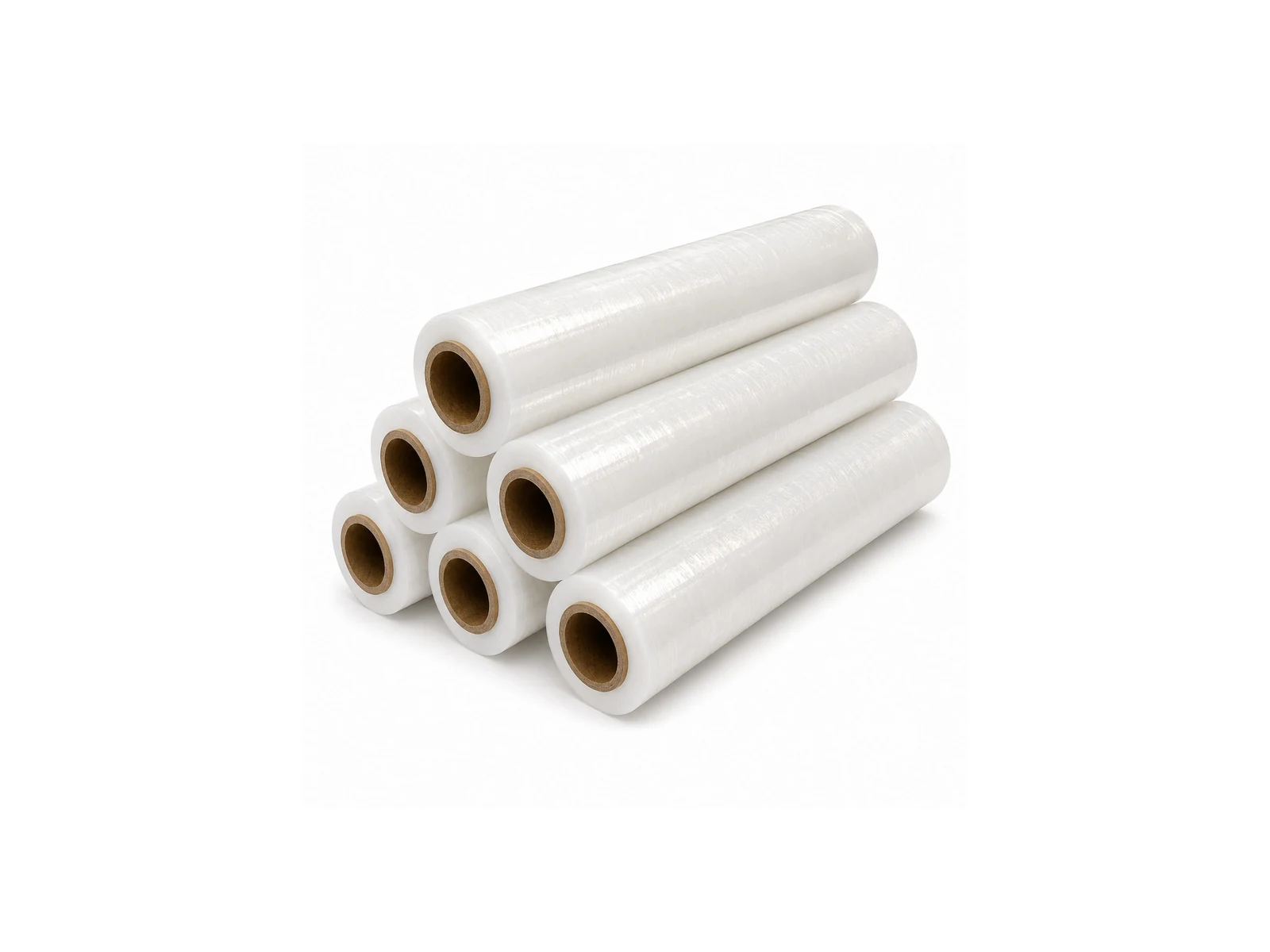
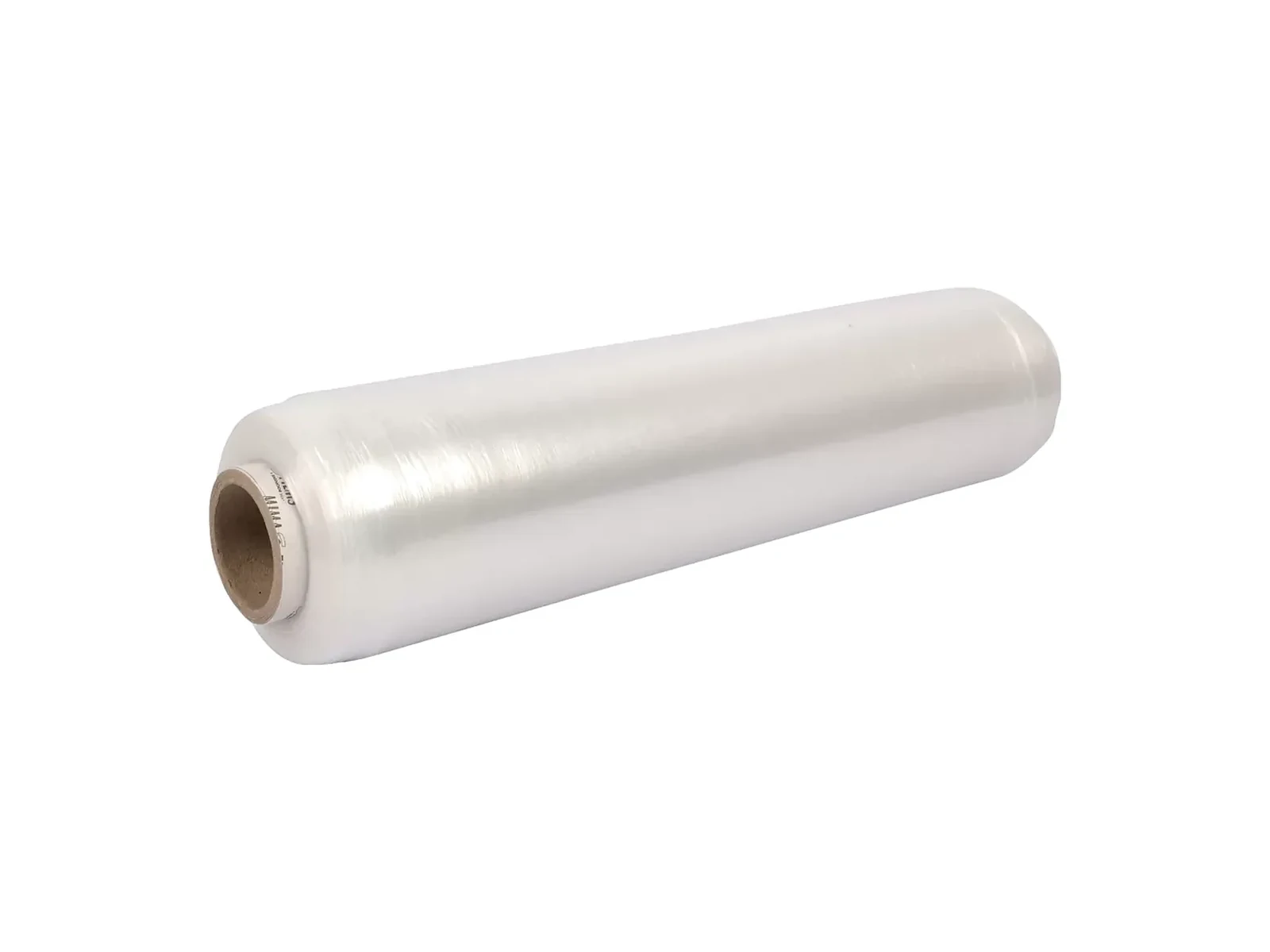
Three ways to wrap a pallet. Typical microns and use — refined to your load.
Method
Five questions to decide
One question, one visual, the useful product pages. No long text blocks.
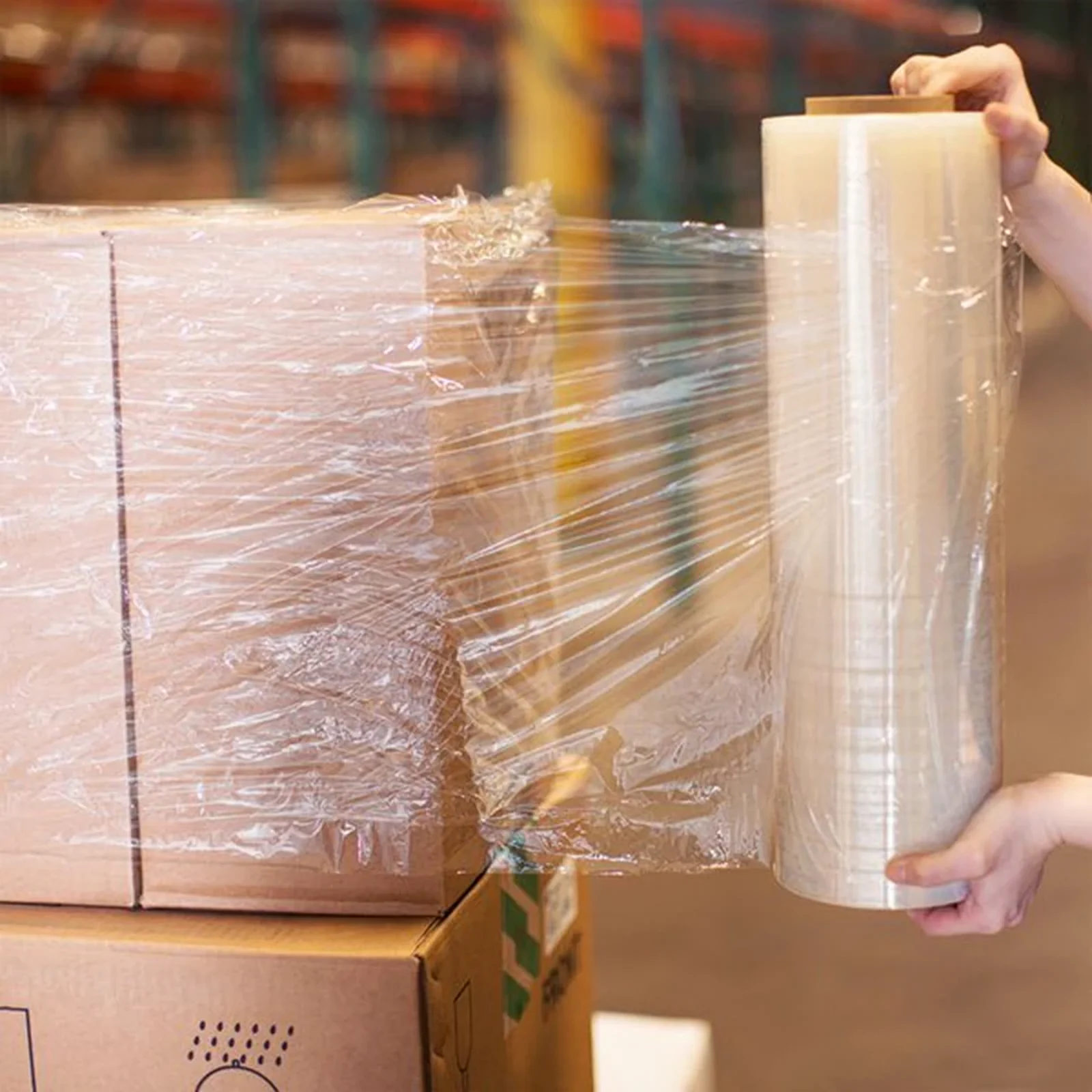
By hand or by machine?
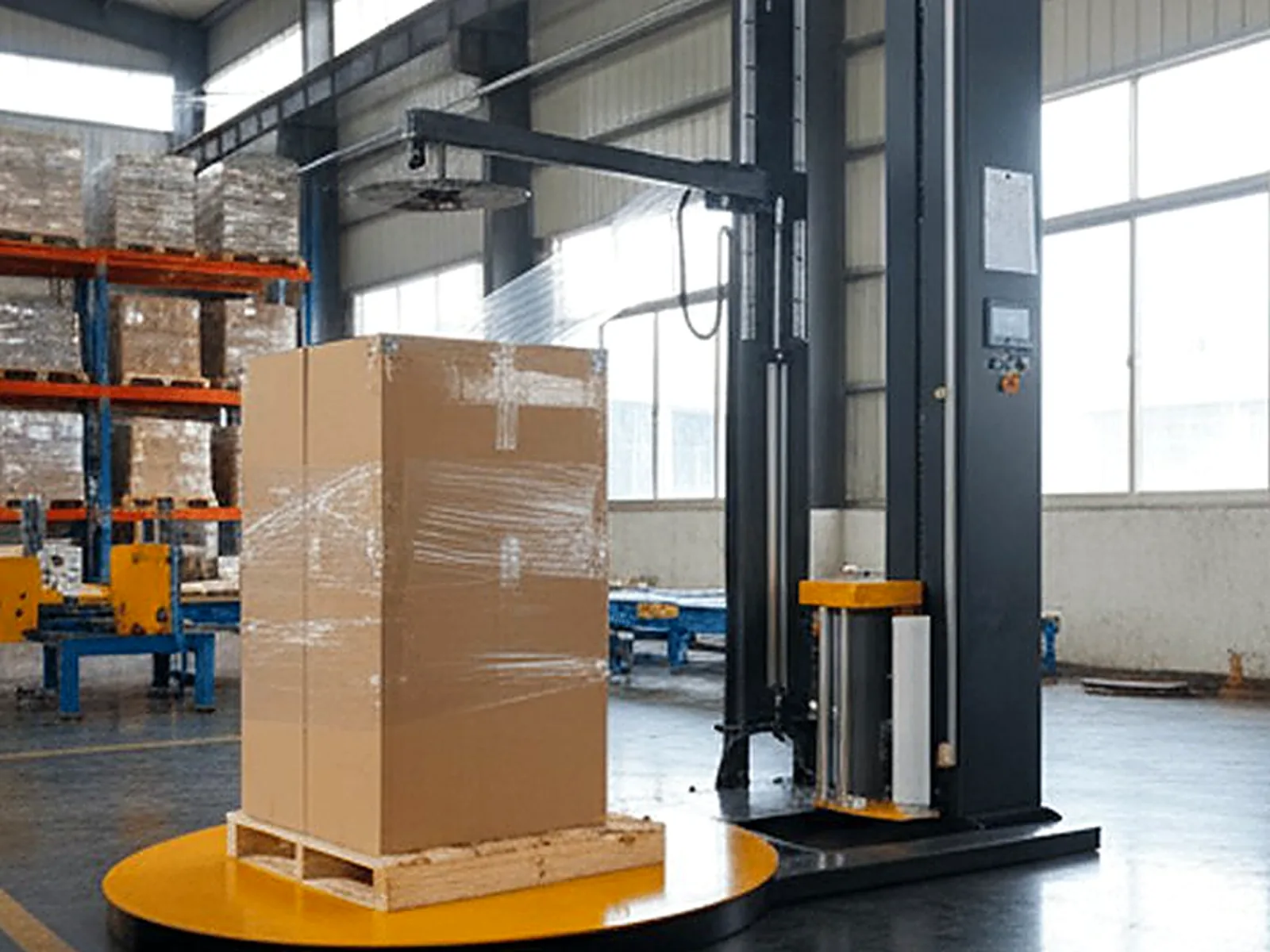
Without a stretch wrapper: hand film, optionally on a dispenser. If operators wrap all day, pre-stretched film takes less effort. With a wrapper: compatible machine film.
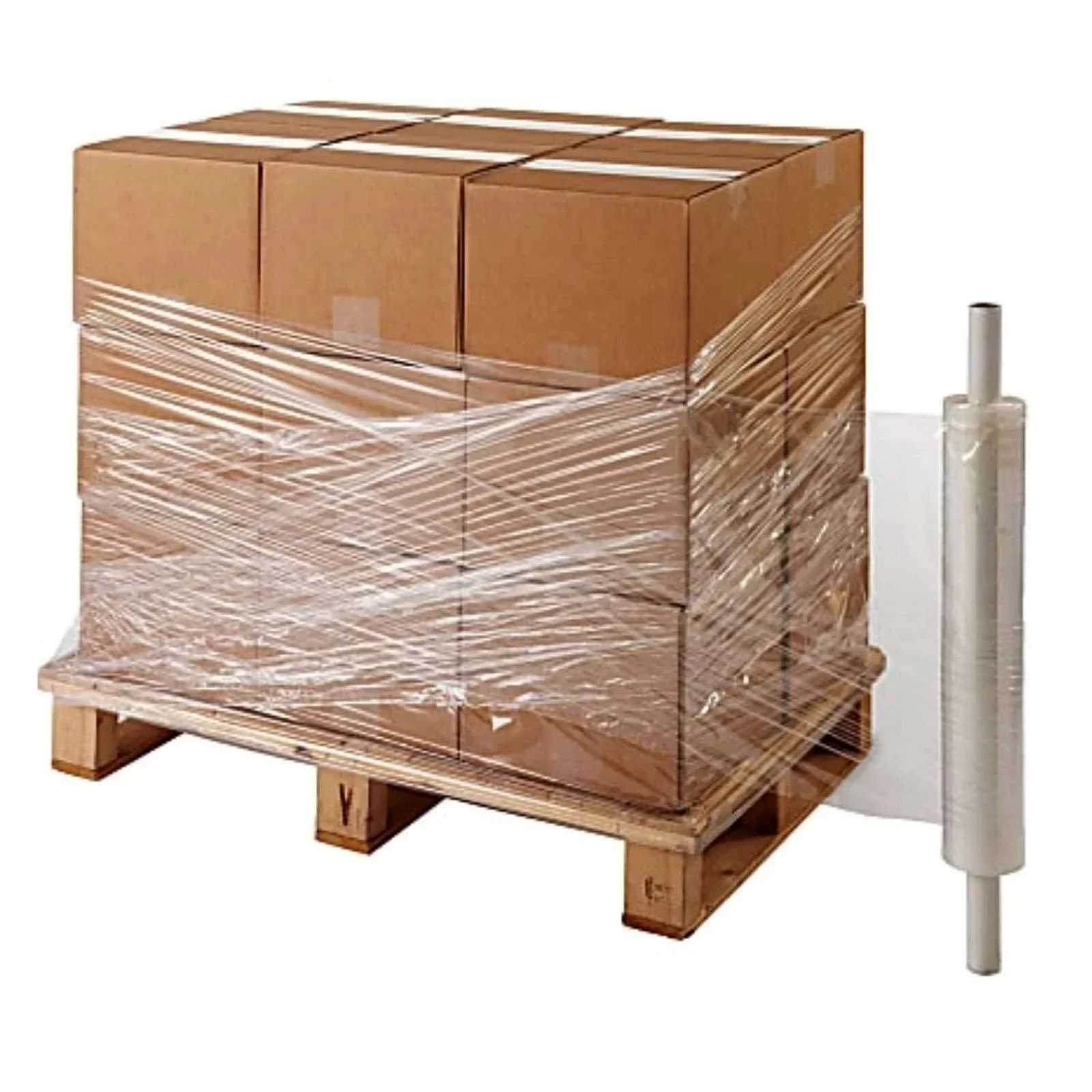
What pallet weight and shape?
The heavier, taller or more irregular the pallet, the more resistant the film must be. Sharp edges puncture a film that is too thin. An even load of neatly stacked cartons needs less thickness.
Give weight, height and load type: we propose a grade.
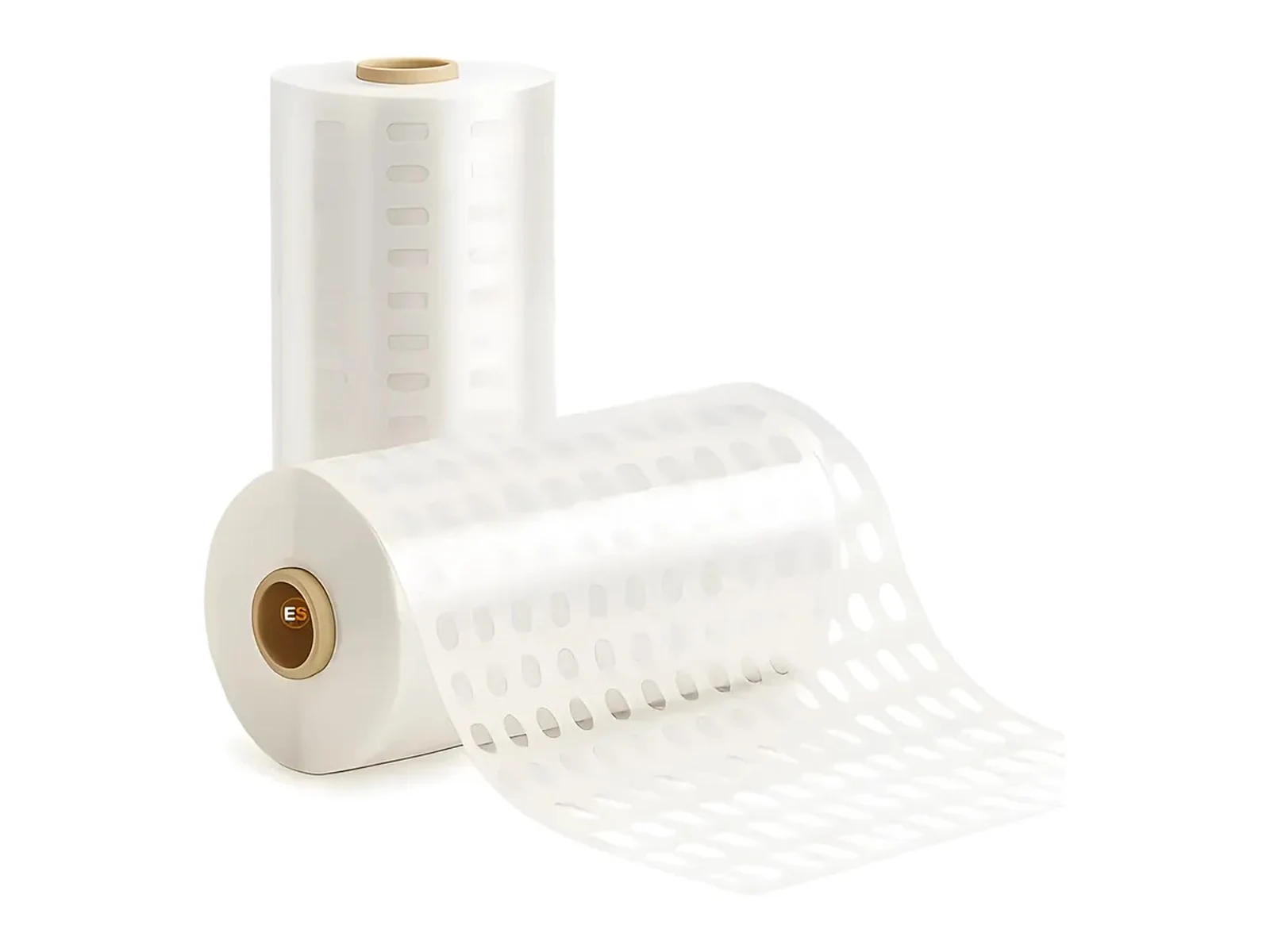
Transport, storage, fresh produce?
Film holds the load; it does not protect from impact. For goods that must breathe (fresh, dairy, bakery, still warm): perforated film.
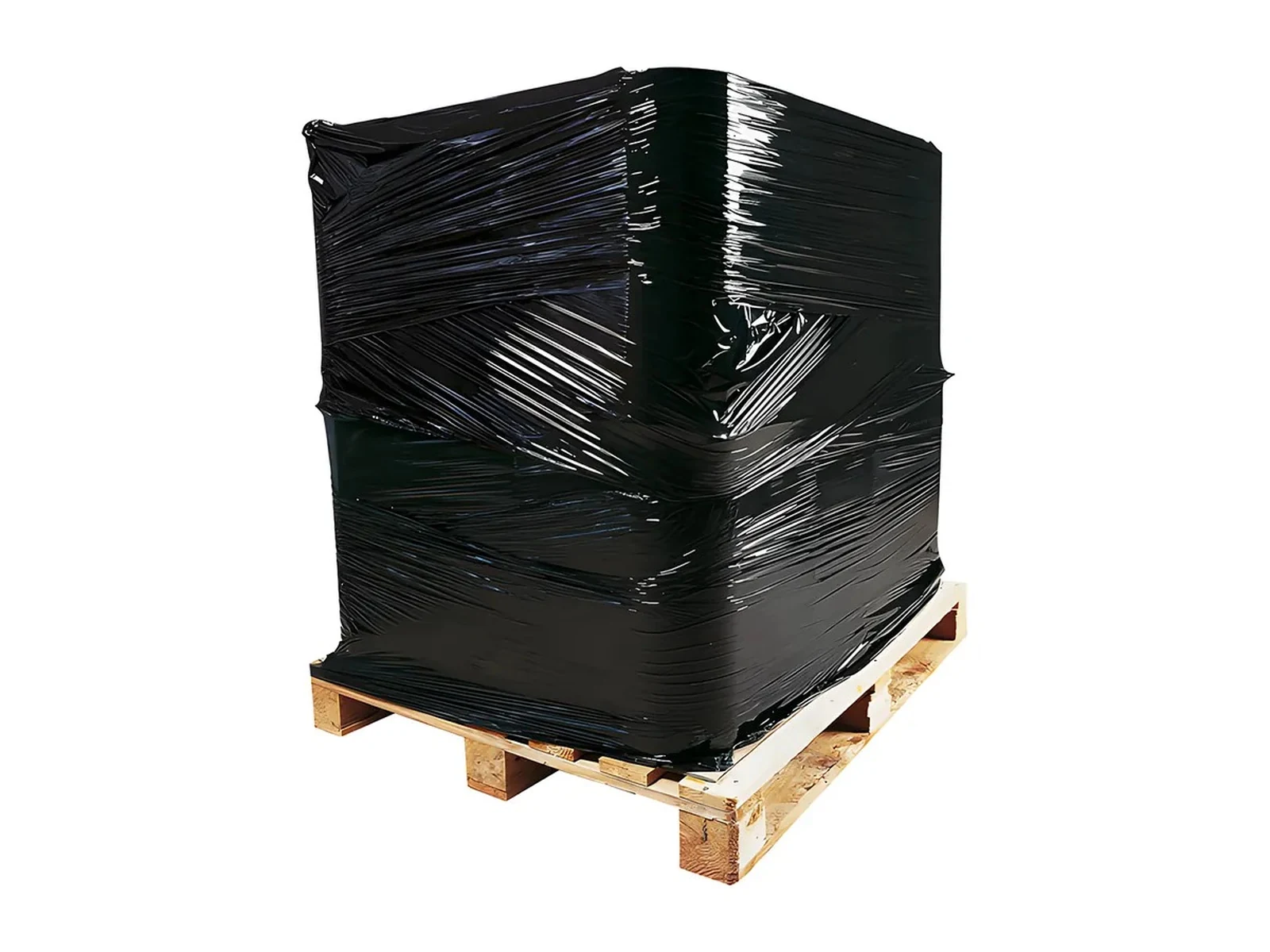
Does the load need to be hidden?
Valuable goods or a shared yard: black opaque film. Available for hand and machine. Coloured film is for batch identification.
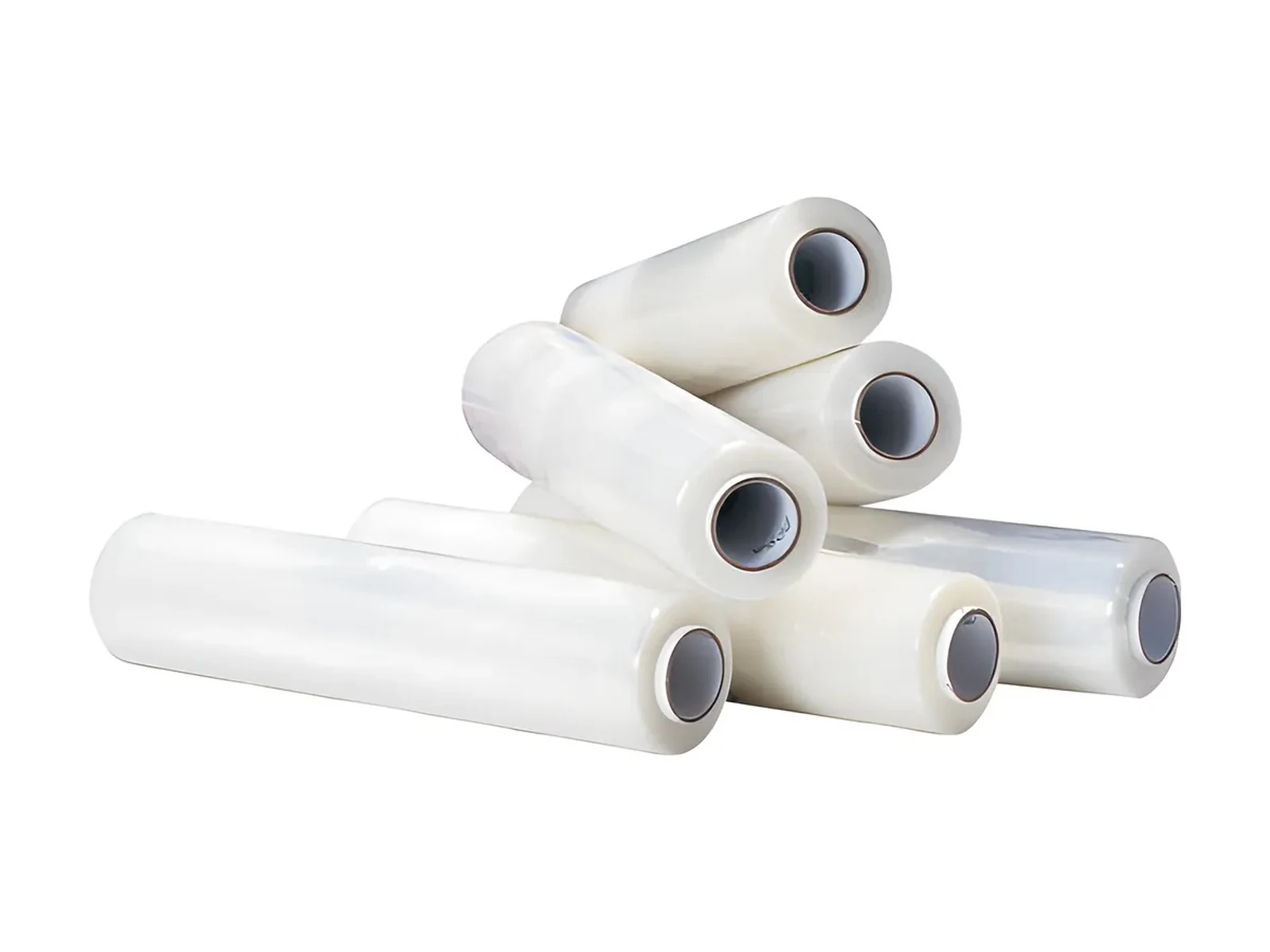
Less material, more hold?
High-performance film resists puncture better and often lets you wrap with less material. Useful on demanding loads or when cutting consumption without losing hold.
Buyer FAQ
Frequently asked questions
Concrete answers, with figures where possible. Full FAQ.
Which micron thickness should I choose?
For hand wrap, common gauges are 17, 20 and 23 µm. For machine wrap, 17 to 35 µm is typical depending on pallet weight and pre-stretch. A heavy, tall or sharp-edged load needs more material. Describe the pallet and we propose a grade.
Hand or machine — based on volume?
A few pallets a day: hand film (optionally on a dispenser). Around ten or more, or all-day wrapping: pre-stretched film or a stretch wrapper with machine film. The exact threshold depends on labour time and wrap consistency.
What does pre-stretched film bring?
The film is stretched at the plant. On application: less effort, more even tension, and often fewer microns for hold comparable to standard hand film. Pre-stretched film page.
What machine pre-stretch rate?
Wrappers often run at 150%, 250% or 300% depending on film and settings. The useful rate depends on film quality and pallet weight. Tell us your machine: we check compatibility.
How many wraps at the base and top of the pallet?
In practice: 2–3 bottom wraps to anchor the load to the deck, then overlapping wraps up the height, and 2 top wraps to lock. An unstable load or long haul may need more wraps or a reinforcement band.
How do I stop a pallet from shifting in transit?
Tight film, solid bottom wraps, nested load. On tall or slippery loads: reinforcement band, top sheet, or a tougher film. Stretch film holds the load; it does not replace internal bracing of fragile cartons.
When should I choose black or opaque film?
To hide contents (value goods, shared yards, visual theft deterrence). Available for hand and machine wrap. Coloured film is mainly for batch identification. Black film page.
When should I use perforated film?
Fresh produce, dairy, bakery, still-warm goods: perforations let air through and limit condensation. Perforated film page.
Is stretch film recyclable?
Yes: PE / LLDPE, plastic film recycling stream. Some grades include recycled content. Exact share and stream depend on the grade — we state it on the quote.
What are standard widths and cores?
Hand: widths 450 or 500 mm, core often 50 mm. Machine: common width 500 mm, core 76 mm. Confirm your dispenser or wrapper core before ordering.
How should I store stretch film?
Away from sun and UV, at a stable ambient temperature, far from heat sources. Avoid long outdoor storage: the film can stiffen or lose stretchability.
What lead times and minimum order?
Depends on the grade and volume. We confirm availability, minimum and lead time on the quote — nothing binding before you approve.
Summary
What should you send us for a quote?
A short checklist: the clearer these points, the better the grade we propose.
- Film type (hand, machine, pre-stretched…)
- Preferred format and volume
- Pallet description (weight, height, load)
- Machine or dispenser already in place